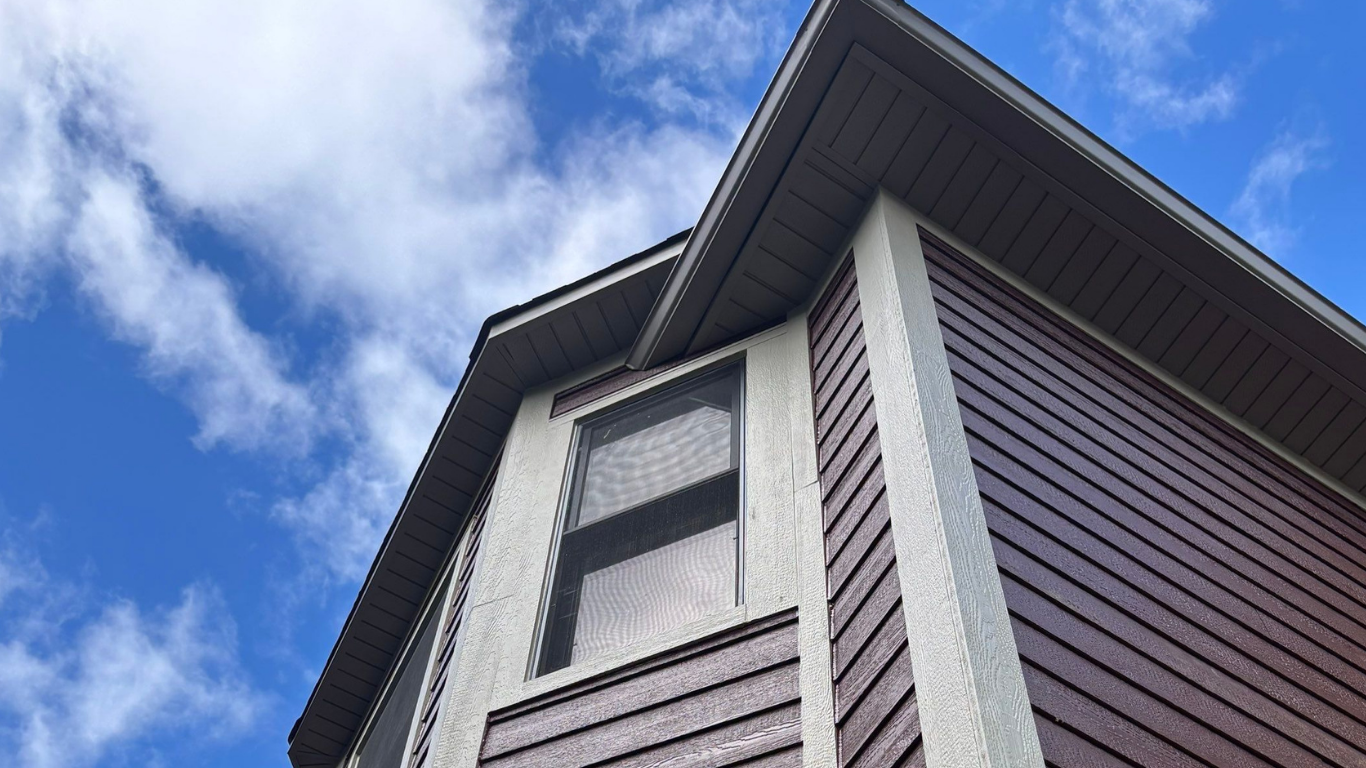
When you purchase a home in Wisconsin, the exterior details matter more than most new homeowners realize. One of the most overlooked yet critical components of your home’s exterior system is the soffit. This small strip of material tucked under your roof’s overhang plays a big role in ventilation, energy efficiency, and long-term durability. Choosing the right soffit isn’t just a design decision—it’s a functional choice that protects your investment.
At Wilco Exteriors, we are often asked: What is the best soffit material Wisconsin homeowners should choose? The answer depends on understanding the state’s challenging climate and how different materials perform when exposed to heavy snow, fluctuating temperatures, and seasonal storms.
This guide will walk you through why soffits matter, how climate affects their performance, and which options stand out as the best soffit material Wisconsin homeowners can trust.
Wisconsin is known for its harsh winters and humid summers
Each season presents challenges that directly affect your home’s soffits. In winter, freezing temperatures and ice dams test the durability of materials. In summer, hot and humid weather increases the risk of warping, mold, and mildew if ventilation is poor. Rain, wind, and falling debris throughout the year add even more stress.
A weak soffit material will show early signs of failure—cracks, peeling, discoloration, or sagging. Beyond cosmetic issues, damaged soffits can block proper attic ventilation, trap moisture, and lead to rot in nearby fascia boards or roof decking. That’s why the best soffit material Wisconsin homeowners choose must be durable, low-maintenance, and able to perform across all four seasons.
At Wilco Exteriors, we recommend evaluating soffit materials based on five criteria: climate resistance, ventilation capability, energy efficiency, aesthetics, and maintenance. Wisconsin’s climate doesn’t allow room for compromise—you need materials that check all these boxes.
Let’s take a closer look at the most common options.
Wood soffits are the traditional choice for many older Wisconsin homes. They provide a warm, natural look that appeals to buyers seeking classic charm. However, wood is highly vulnerable to moisture and temperature fluctuations. In Wisconsin’s damp climate, untreated or poorly maintained wood soffits can warp, rot, or attract pests. Maintenance is also labor-intensive, requiring painting, sealing, or staining every few years.
While wood soffits can work in controlled conditions, they are rarely considered the best soffit material Wisconsin offers for long-term durability. Home buyers should only consider wood if they are committed to ongoing upkeep.
Aluminum soffits are lightweight, durable, and resistant to rust and rot
They perform well in cold climates because they do not crack in freezing temperatures. Another advantage is low maintenance—aluminum soffits require only occasional cleaning. Ventilated designs make them ideal for promoting airflow into attics, reducing the risk of ice dams in winter.
For many Wisconsin homes, aluminum is considered one of the best soffit material Wisconsin choices because it balances durability with affordability
It is particularly appealing for buyers looking for long-term solutions without frequent upkeep.
Vinyl soffits have become increasingly popular because they are affordable, versatile, and resistant to moisture damage. They are available in multiple colors and finishes, allowing homeowners to match siding and roofing systems easily. Vinyl soffits do not require painting and are easy to clean.
In Wisconsin, however, vinyl soffits face challenges in extreme cold. Sub-zero temperatures can cause brittle cracking if not installed properly. That said, modern insulated vinyl options perform much better and are often ranked among the best soffit material Wisconsin homeowners should consider.
Fiber cement soffits are made from a mixture of cement, sand, and cellulose fibers, making them one of the toughest options on the market
They resist fire, moisture, pests, and warping. In Wisconsin’s climate, fiber cement is particularly valuable because it withstands heavy snow loads and extreme temperature shifts without deterioration.
Although they are more expensive to install, fiber cement soffits are long-lasting and low-maintenance, which is why many professionals at Wilco Exteriors consider them one of the best soffit material Wisconsin solutions for homeowners seeking a premium upgrade.
Composite soffits combine wood fibers and synthetic resins, offering a balance of natural aesthetics and modern durability. They are designed to mimic the appearance of wood while resisting moisture and decay. In Wisconsin’s damp climate, composite soffits provide a smart alternative to traditional wood without requiring constant upkeep.
Many new home buyers who want both style and resilience find composite to be a strong candidate for the best soffit material Wisconsin homes can use.
The role of soffits in attic ventilation cannot be overstated
Properly vented soffits allow fresh air to enter the attic, which balances moisture levels and regulates temperature. This is especially critical in Wisconsin homes where poor ventilation can lead to ice dams, mold growth, and higher energy bills.
When evaluating the best soffit material Wisconsin offers, always consider whether the design includes perforated or vented panels. At Wilco Exteriors, we recommend pairing vented soffits with ridge vents to create a continuous airflow system.
From a home buyer’s perspective, the condition of soffits can reveal a lot about a property’s maintenance history. Discolored or sagging soffits may indicate hidden water damage. Missing panels suggest past storm damage or poor installation. On the other hand, high-quality, well-maintained soffits signal a home that has been cared for properly.
If you’re purchasing a property, understanding which material is installed can help you gauge whether you’ll need future upgrades. Asking whether the home features aluminum, vinyl, fiber cement, or composite soffits will help you determine if the previous owner invested in the best soffit material Wisconsin homes require.
At Wilco Exteriors, we often recommend upgrading soffits during siding or roof replacement projects. This allows homeowners to align all exterior materials for a seamless look and performance. Choosing the best soffit material Wisconsin offers also ensures your investment in siding and roofing lasts longer, since a healthy ventilation system protects the entire home exterior.
To maintain soffits in Wisconsin, routine inspections are essential
Check for cracks, warping, or animal nesting, especially after storms. Clean vents to ensure airflow isn’t obstructed. While aluminum, vinyl, and fiber cement are all low-maintenance, neglecting them can shorten their lifespan.
Wilco Exteriors provides annual exterior inspections to ensure soffits, fascia, siding, and roofing all function together as a protective system. This proactive approach helps homeowners extend the lifespan of their materials and avoid unexpected repairs.
When choosing the best soffit material Wisconsin offers, remember there’s no one-size-fits-all answer. The right choice depends on your priorities:
- For affordability and easy upkeep: vinyl soffits.
- For strength and longevity: fiber cement soffits.
- For balance between cost and performance: aluminum soffits.
- For style and durability: composite soffits.
Each option has strengths, but all must be installed correctly to perform well in Wisconsin’s climate.
At Wilco Exteriors, we believe Wisconsin homeowners deserve siding and roofing systems that last. That’s why we guide home buyers and owners toward the best soffit material Wisconsin has to offer. Whether you value cost-effectiveness, aesthetics, or premium durability, there is a soffit option suited to your home.
Our team combines expert installation with deep knowledge of the region’s weather challenges, ensuring your soffits stand strong against snow, rain, and summer heat.
Conclusion
For home buyers, understanding soffits may not be the most exciting part of house hunting—but it is one of the most important. The soffit is not just a finishing touch; it is a vital component of your home’s ventilation and protection system. Choosing the best soffit material Wisconsin offers means safeguarding your investment against one of the harshest climates in the country.
If you are preparing to buy or upgrade a home in Wisconsin, let Wilco Exteriors help you select and install soffits that meet your needs for strength, beauty, and longevity. With the right materials, your home will stay protected and efficient for decades to come.