
When buying a home in Wisconsin, most people focus on the big-ticket items—roofing condition, siding quality, energy efficiency, and interior updates. But one crucial detail often overlooked is the soffit ventilation system. Poor ventilation in your attic and roofline can lead to costly repairs, higher energy bills, and long-term structural damage. Understanding the bad ventilation signs Wisconsin homeowners should look out for is key to protecting your investment.
At Wilco Exteriors, we’ve seen firsthand how small issues with soffit ventilation can snowball into major problems. This article will break down why soffit ventilation matters, the most common warning signals of poor airflow, and what home buyers in Wisconsin should check before closing on their dream home.
Why Soffit Ventilation Matters in Wisconsin Homes
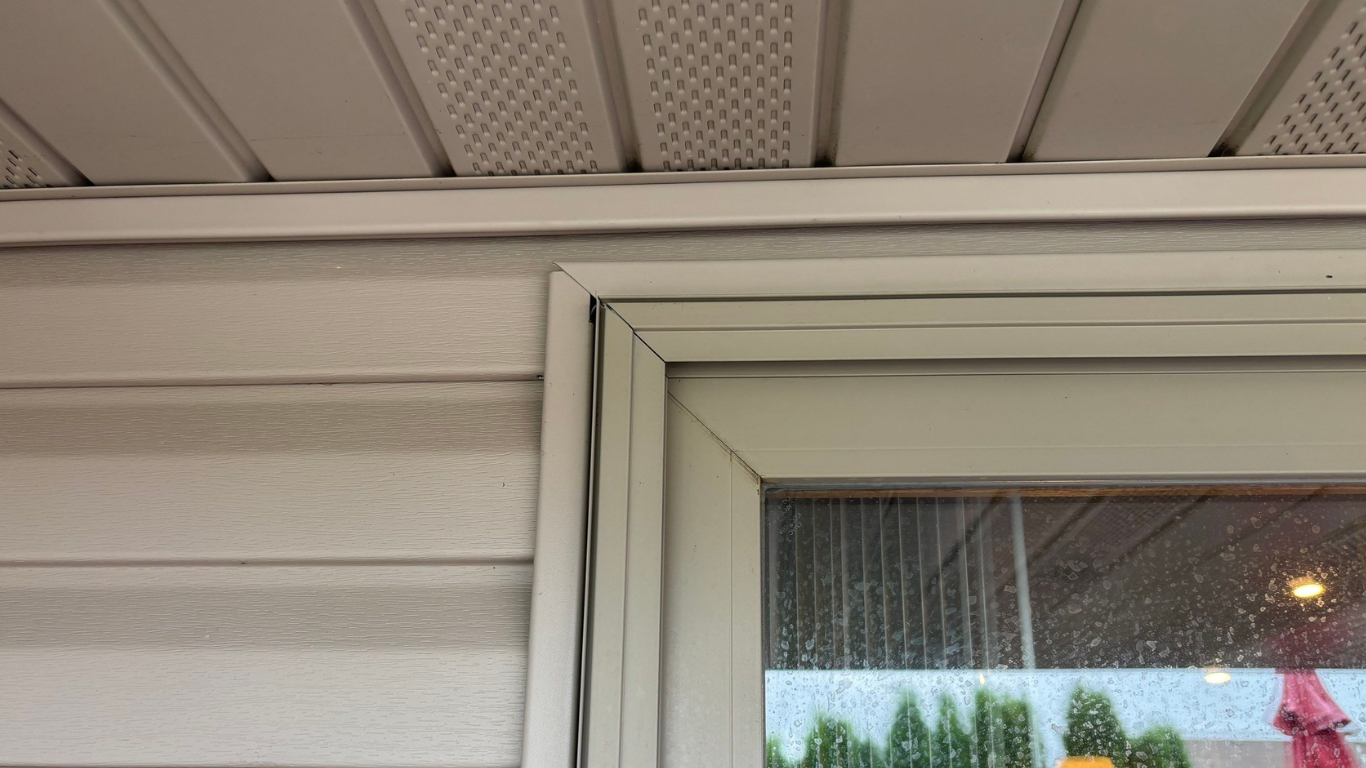
Soffits are the underside panels of your roof’s overhang, often perforated or vented, designed to let fresh air enter your attic space. This airflow works in tandem with ridge vents or gable vents to maintain a healthy roof environment.
In Wisconsin, with its frigid winters and humid summers, ventilation is especially important because:
- Winter ice dams form when heat escapes into the attic and melts roof snow. Without ventilation, the melt refreezes at the eaves, causing damaging ice buildup.
- Summer heat and humidity can get trapped in poorly ventilated attics, causing wood rot, mold, and excessive strain on your cooling system.
- Energy efficiency relies heavily on good attic airflow. Without it, Wisconsin homes may suffer from skyrocketing heating and cooling bills.
Understanding the bad ventilation signs Wisconsin buyers should look for means you’ll avoid inheriting hidden repair costs.
The Top Bad Ventilation Signs Wisconsin Home Buyers Should Watch For
1. Ice Dams Along the Roof Edge
Ice dams are among the most recognizable bad ventilation signs Wisconsin winters expose. They occur when heat in the attic causes uneven snow melt, which refreezes at the edges of the roof.
What to look for:
- Large icicles hanging from the gutters.
- Water stains on ceilings after winter.
- Shingle damage near the roofline.
If a seller’s home shows repeated ice dam history, it’s likely a soffit ventilation issue.
2. Mold or Mildew in the Attic
Another one of the clearest bad ventilation signs Wisconsin homeowners encounter is attic mold. Poor airflow traps moisture, creating the perfect breeding ground for mold and mildew.
Warning signs:
- Dark staining on rafters or sheathing.
- A musty odor in the attic or upstairs rooms.
- Visible mold growth near insulation.
This isn’t just a cosmetic problem—mold can impact air quality and require costly remediation.
3. Peeling Paint or Rotting Wood Under the Eaves
Soffits and fascia boards often show early damage if ventilation is lacking. Trapped moisture builds up beneath the roof overhang.
How to spot it:
- Paint bubbling or peeling under the eaves.
- Soft or rotting wood around soffit panels.
- Warped fascia boards.
Exterior deterioration is one of the easiest bad ventilation signs Wisconsin inspectors can confirm.
4. Uneven Roof Temperatures
Drive by a Wisconsin neighborhood in winter, and you might notice some roofs are bare of snow while others are fully covered. A roof with uneven snow melt is likely suffering from poor ventilation and insulation.
What this means for buyers:
- Hot spots on the roof = heat loss from the attic.
- Increased risk of ice dams.
- Higher heating bills.
This roof pattern is one of the most visual bad ventilation signs Wisconsin weather reveals to the trained eye.
5. Rusting Metal Components
Moisture condensation caused by insufficient airflow can corrode attic nails, vents, or metal fasteners.
Look for:
- Rusty nails sticking through the roof decking.
- Corrosion on attic vents.
- Flaking metal components.
Rust is a strong indicator of chronic moisture—one of the most overlooked bad ventilation signs Wisconsin inspectors check for.
6. High Energy Bills
If a seller complains about steep utility costs, poor ventilation could be the culprit. Bad soffit airflow allows hot air to build in summer and heat loss in winter.
Clues for buyers:
- Energy bills significantly above neighborhood averages.
- Temperature inconsistencies between upstairs and downstairs rooms.
This hidden cost is one of the most expensive bad ventilation signs Wisconsin families endure year after year.
7. Pest Infestation
Blocked or deteriorating soffits can invite pests like squirrels, bats, or insects. Without proper airflow, critters find warm, damp attics irresistible.
Evidence includes:
- Droppings in the attic.
- Chewed insulation.
- Nesting material near soffit vents.
Infestation is both a health hazard and a structural risk—another serious bad ventilation sign Wisconsin home buyers shouldn’t ignore.
8. Condensation on Windows
Foggy or wet windows inside the home—especially in winter—often trace back to attic ventilation issues. Moisture trapped above seeps downward into the living space.
What to notice:
- Persistent condensation on double-pane windows.
- Ice forming on window sills.
- Peeling paint around window frames.
These visible moisture problems are indoor bad ventilation signs Wisconsin homes display when airflow is compromised.
9. Shortened Roof Lifespan
Ultimately, poor soffit ventilation ages a roof prematurely. Excess heat and moisture break down shingles, underlayment, and decking.
Buyer red flags include:
- Roof shingles curling or cracking.
- Uneven roof color, indicating heat damage.
- Roofing repairs happening earlier than expected.
Since a roof is a major investment, this is one of the costliest bad ventilation signs Wisconsin property buyers may face.
How Bad Ventilation Affects Wisconsin Home Buyers
If you’re in the market for a Wisconsin home, recognizing these bad ventilation signs Wisconsin weather brings out can save you thousands. Here’s how poor soffit airflow directly impacts buyers:
- Unexpected Repairs – Mold removal, roof replacement, and wood rot repair are expensive.
- Reduced Home Value – Inspection reports listing ventilation issues lower property value.
- Health Concerns – Mold and poor air circulation affect indoor air quality.
- Energy Inefficiency – Long Wisconsin winters make heating bills higher in poorly ventilated homes.
By spotting these issues before closing, buyers gain negotiation power or can walk away from a money pit.
Preventing Bad Ventilation in Wisconsin Homes
Understanding the bad ventilation signs Wisconsin buyers look for is just the first step. Homeowners can also take action to prevent them:
- Schedule Regular Roof Inspections – Professionals like Wilco Exteriors can assess ventilation health.
- Install Proper Soffit Vents – Ensure soffit vents aren’t blocked by insulation or debris.
- Pair with Ridge Vents – Balanced airflow requires intake (soffit) and exhaust (ridge).
- Maintain Attic Insulation – Prevents heat loss that causes ice dams.
- Clear Obstructions – Keep soffit vents free of paint, nests, or clogs.
Preventive maintenance is far more affordable than repairing damage caused by years of poor ventilation.
Why Wisconsin Home Buyers Should Call Wilco Exteriors
At Wilco Exteriors, we specialize in spotting, diagnosing, and correcting ventilation problems. We know the unique bad ventilation signs Wisconsin homes exhibit because we’ve worked on thousands of local properties.
When you choose us, you get:
- Expert Inspections – We know exactly where to look for hidden ventilation issues.
- Customized Solutions – From new soffit installations to attic insulation upgrades.
- Wisconsin Climate Expertise – We design systems to withstand freezing winters and humid summers.
- Peace of Mind – You’ll know your new home is protected for the long run.
Before you finalize your home purchase, let our team ensure you’re not inheriting costly soffit ventilation problems.
Final Thoughts
For home buyers, recognizing the bad ventilation signs Wisconsin houses reveal is critical. From ice dams and attic mold to high energy bills and shortened roof lifespans, poor soffit airflow can create major headaches down the road.
Don’t let an overlooked ventilation system turn your dream home into a financial nightmare. By learning what to watch for—and partnering with Wilco Exteriors—you can make an informed purchase and protect your investment for decades to come.