
When homeowners think about exterior home maintenance, roofing, siding, and gutters often receive the most attention. However, soffits also play a major role in protecting homes from moisture, pests, ventilation problems, and structural deterioration. Because soffits are installed beneath roof overhangs, they are constantly exposed to outdoor conditions and require regular care to remain effective.
In Wisconsin, where homes face snow, ice, rain, humidity, and seasonal weather fluctuations, soffit maintenance becomes especially important. Dirty or damaged soffits can contribute to moisture buildup, mold growth, attic ventilation problems, and even pest infestations if left unaddressed.
For home buyers evaluating Wisconsin properties, understanding proper Soffit Cleaning Safety Wisconsin practices can help protect both home appearance and long-term structural performance. This guide explains the role of soffits, why cleaning matters, common safety concerns, maintenance tips, warning signs of damage, and when homeowners should seek professional assistance.
What Are Soffits?
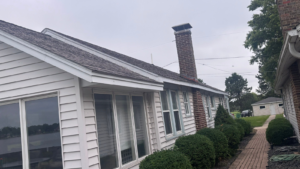
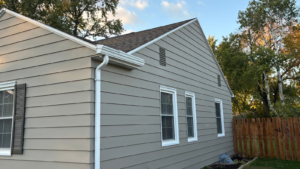
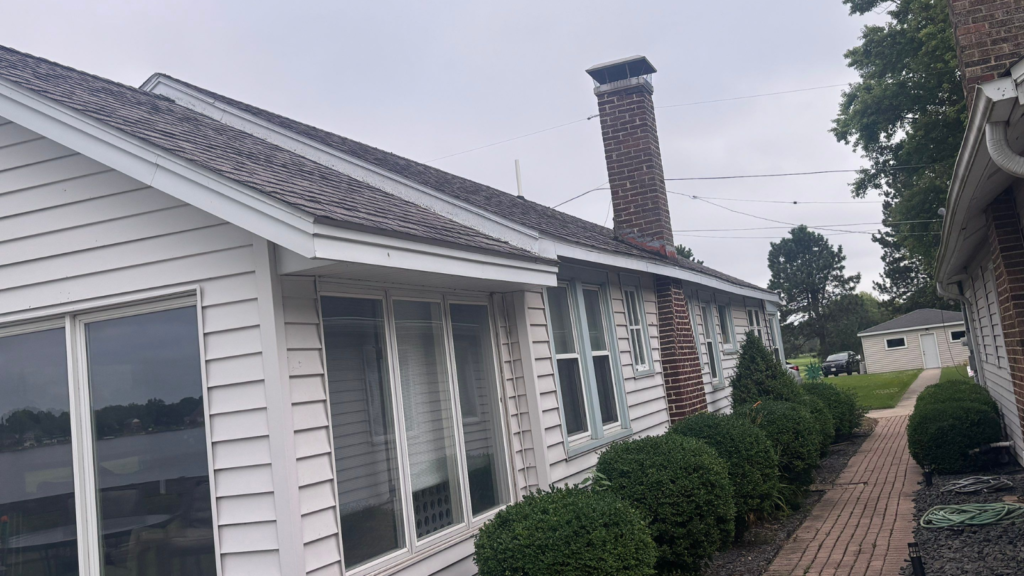
Soffits are the finished materials installed underneath roof overhangs, connecting the edge of the roof to the exterior wall of the home. They are often ventilated to allow airflow into the attic while protecting the roof structure from moisture and pests.
Soffits commonly serve several important purposes:
- Supporting attic ventilation
- Protecting rafters from moisture
- Blocking pests and insects
- Improving exterior appearance
- Reducing roof condensation risks
Proper Soffit Cleaning Safety Wisconsin practices help ensure these systems continue functioning effectively throughout changing seasons.
Why Soffit Maintenance Matters in Wisconsin
Wisconsin weather creates several challenges for soffit systems.
Homes throughout the state regularly experience:
- Snow accumulation
- Ice buildup
- Heavy rain
- Humidity changes
- Wind-driven debris
- Seasonal mold and mildew growth
Because soffits are located near gutters and roof edges, they often collect:
- Dirt
- Dust
- Spider webs
- Mold
- Pollen
- Leaf debris
Without proper maintenance, soffit ventilation openings may become blocked, reducing attic airflow and increasing moisture problems.
This is why understanding Soffit Cleaning Safety Wisconsin guidelines is important for both homeowners and home buyers.
How Soffits Affect Roof Ventilation
Ventilated soffits allow outside air to enter the attic and support proper airflow throughout the roofing system.
Balanced ventilation helps:
- Reduce attic heat buildup
- Prevent condensation
- Improve energy efficiency
- Reduce ice dam risks
- Extend roof lifespan
Dirty or blocked soffits can reduce ventilation performance and create moisture-related issues inside the attic.
Routine soffit care is an important part of maintaining healthy roofing systems in Wisconsin climates.
Common Problems Caused by Dirty Soffits
Neglected soffits may contribute to several home maintenance concerns.
Mold and Mildew Growth
Moisture and debris buildup create ideal conditions for mold and mildew development.
Pest Infestations
Damaged or dirty soffits may attract:
- Birds
- Insects
- Rodents
- Wasps
Reduced Attic Ventilation
Blocked soffit vents restrict airflow and increase attic humidity.
Wood Rot
Moisture exposure can weaken wooden soffits over time.
Exterior Staining
Dirt and algae buildup can negatively affect curb appeal.
Following proper Soffit Cleaning Safety Wisconsin procedures helps homeowners avoid these problems and maintain healthier exterior systems.
Signs Soffits Need Cleaning or Maintenance
Homeowners should periodically inspect soffits for warning signs such as:
- Visible dirt buildup
- Mold spots
- Peeling paint
- Moisture stains
- Sagging panels
- Pest activity
- Blocked vent openings
- Cracks or holes
Home buyers evaluating older homes should also pay close attention to soffit condition because it may indicate broader ventilation or moisture concerns.
Safety Risks of Soffit Cleaning
Because soffits are located near rooflines and elevated areas, cleaning them can involve safety risks.
Potential hazards include:
- Ladder falls
- Slippery surfaces
- Electrical hazards
- Overreaching injuries
- Roof edge accidents
Understanding Soffit Cleaning Safety Wisconsin recommendations helps homeowners avoid dangerous situations while performing exterior maintenance.
Ladder Safety Guidelines
Ladder safety is one of the most important aspects of soffit maintenance.
Use Stable Ground
Always place ladders on level, stable surfaces.
Choose the Correct Ladder Height
Using a ladder that is too short may encourage dangerous overreaching.
Maintain Three Points of Contact
Keep two hands and one foot or two feet and one hand on the ladder whenever possible.
Avoid Leaning Too Far
Move the ladder frequently rather than stretching sideways.
Never Work Alone
Having another person nearby improves safety during exterior maintenance tasks.
Proper ladder use is essential for safe Soffit Cleaning Safety Wisconsin practices.
Avoid Power Washing Mistakes
Some homeowners attempt to clean soffits using high-pressure washers, but improper pressure washing may cause damage.
Excessive pressure can:
- Force water into ventilation openings
- Damage paint
- Loosen soffit panels
- Increase moisture intrusion risks
Low-pressure cleaning methods are often safer for soffit maintenance.
Recommended Cleaning Tools
Safe soffit cleaning often involves:
- Soft brushes
- Microfiber cloths
- Garden hoses
- Mild cleaning solutions
- Extension poles
- Safety gloves
- Protective eyewear
Choosing appropriate tools helps reduce the risk of accidental damage during cleaning.
Cleaning Solutions for Soffits
Mild cleaning products are usually sufficient for routine soffit care.
Common cleaning mixtures may include:
- Warm water
- Mild soap
- Vinegar solutions
- Exterior-safe cleaners
Harsh chemicals should generally be avoided because they may damage paint, aluminum finishes, or vinyl soffit materials.
Vinyl Soffit Cleaning Considerations
Vinyl soffits are popular because they are durable and low maintenance.
Benefits include:
- Moisture resistance
- Easy cleaning
- Mold resistance
- Long lifespan
When performing Soffit Cleaning Safety Wisconsin maintenance on vinyl soffits:
- Use soft brushes
- Avoid abrasive scrubbing
- Rinse thoroughly
- Avoid harsh chemicals
Proper care helps maintain appearance and durability.
Aluminum Soffit Cleaning Considerations
Aluminum soffits are also common throughout Wisconsin homes.
Advantages include:
- Lightweight construction
- Moisture resistance
- Low maintenance needs
However, homeowners should avoid:
- Scratching finishes
- Using abrasive pads
- Applying corrosive cleaners
Gentle maintenance methods help preserve aluminum soffit appearance and performance.
Wood Soffit Maintenance Challenges
Wood soffits offer classic aesthetics but require more maintenance than vinyl or aluminum.
Potential concerns include:
- Rotting
- Moisture absorption
- Peeling paint
- Insect damage
Proper Soffit Cleaning Safety Wisconsin practices for wood soffits include:
- Monitoring moisture levels
- Repainting when needed
- Sealing exposed areas
- Addressing mold growth promptly
Routine inspections are especially important for wood soffit systems.
Preventing Mold and Mildew Growth
Wisconsin humidity and seasonal moisture create favorable conditions for mold growth.
Homeowners can reduce risks by:
- Cleaning soffits regularly
- Maintaining gutters
- Improving attic ventilation
- Trimming nearby trees
- Removing debris buildup
Mold prevention is one of the most important reasons homeowners prioritize soffit maintenance.
Gutter Maintenance and Soffit Protection
Gutters and soffits work closely together.
Clogged gutters may cause water overflow that damages soffits through:
- Moisture saturation
- Rotting
- Mold growth
- Paint deterioration
As part of strong Soffit Cleaning Safety Wisconsin routines, homeowners should keep gutters clear and functioning properly.
Pest Prevention Benefits
Damaged soffits can create entry points for pests.
Birds, squirrels, insects, and rodents may enter attic spaces through:
- Cracked panels
- Loose vents
- Holes in soffit materials
Routine cleaning and inspections help identify vulnerabilities before infestations develop.
Seasonal Soffit Maintenance Recommendations
Spring Maintenance
- Remove winter debris
- Check for ice damage
- Inspect ventilation openings
- Clean mold buildup
Summer Maintenance
- Monitor humidity
- Check for insect activity
- Wash dirt and pollen buildup
Fall Maintenance
- Remove leaves
- Prepare for winter moisture
- Inspect for storm damage
Winter Maintenance
- Monitor ice buildup
- Watch for moisture stains
- Inspect attic ventilation
Seasonal maintenance supports long-term soffit performance throughout Wisconsin weather changes.
Home Buyer Inspection Tips
When evaluating homes, buyers should inspect soffits carefully for:
- Moisture damage
- Mold growth
- Sagging sections
- Blocked vents
- Pest activity
- Rotting wood
- Peeling paint
Soffit condition often reflects the overall quality of roof ventilation and exterior maintenance.
Poor soffit condition may indicate hidden attic moisture or roofing concerns.
Why Professional Inspections Matter
While basic soffit cleaning may be manageable for some homeowners, professional inspections provide several advantages.
Professionals can identify:
- Hidden moisture damage
- Ventilation issues
- Structural concerns
- Pest vulnerabilities
- Roofing-related problems
Experienced contractors understand how Wisconsin weather affects soffit systems and can recommend appropriate repairs or upgrades.
When to Replace Soffits
Cleaning alone may not solve every problem.
Soffit replacement may be necessary when:
- Materials are rotting
- Panels sag significantly
- Ventilation is inadequate
- Moisture damage is extensive
- Pest damage is severe
Modern soffit systems often provide improved ventilation and durability compared to older materials.
Energy Efficiency Benefits of Healthy Soffits
Proper soffit ventilation contributes to:
- Better attic airflow
- Reduced cooling strain
- Lower moisture buildup
- Improved insulation performance
Healthy soffits help support overall home energy efficiency, especially during Wisconsin’s hot summers and cold winters.
Why Wisconsin Homes Need Strong Soffit Maintenance
Compared to milder climates, Wisconsin homes experience:
- Greater moisture exposure
- Longer snow seasons
- Freeze-thaw cycles
- Seasonal humidity shifts
Because of these conditions, consistent soffit care is especially important for long-term exterior protection.
Following proper Soffit Cleaning Safety Wisconsin guidelines helps homeowners reduce repair risks and extend the lifespan of roofing and ventilation systems.
Long-Term Benefits of Soffit Maintenance
Routine soffit care helps:
- Protect attic ventilation
- Reduce moisture damage
- Improve curb appeal
- Prevent pest problems
- Extend roof lifespan
- Support energy efficiency
- Maintain property value
Small maintenance efforts often prevent larger structural repair costs later.
Why Professional Exterior Care Matters
Exterior systems work together to protect the home.
Professional contractors understand how soffits interact with:
- Roofing systems
- Gutters
- Fascia boards
- Ventilation systems
- Siding
Working with experienced professionals helps ensure all exterior components perform properly throughout Wisconsin’s changing seasons.
Final Thoughts on Soffit Cleaning Safety Wisconsin
Soffits play a much larger role in home protection than many homeowners realize. From supporting attic ventilation and reducing moisture buildup to protecting roof edges and improving curb appeal, soffits contribute significantly to overall exterior performance.
Because Wisconsin weather places constant stress on exterior systems, following proper Soffit Cleaning Safety Wisconsin practices helps homeowners maintain healthier, more durable homes. Regular cleaning, inspections, moisture control, and safe maintenance methods all help reduce long-term repair risks and protect property value.
For home buyers evaluating Wisconsin properties, soffit condition can also reveal important information about attic ventilation, roof maintenance, and overall exterior care.
At Wilco Exteriors, homeowners receive professional exterior solutions designed for Wisconsin weather conditions and long-term durability. From soffit maintenance and ventilation improvements to complete exterior upgrades, quality craftsmanship helps protect homes and improve performance year-round.