When buying a home in Wisconsin, one of the last things many homeowners think about is the color of their roof. At first glance, roof color may seem like just an aesthetic choice, but in reality, it has significant implications for energy efficiency, comfort, and even long-term maintenance. Roof Color Wisconsin isn’t just a matter of curb appeal—it’s about how well your home can handle the diverse climate conditions this state experiences throughout the year.
Wisconsin homeowners face a unique challenge: summers can bring high heat and humidity, while winters bring heavy snow, icy winds, and sub-zero temperatures. Because of this, roof color selection plays a larger role here than in many other parts of the country. The science behind heat absorption and reflection makes a huge difference in how a home performs, which can affect everything from energy bills to overall comfort. At Wilco Exteriors, we’ve helped countless homeowners navigate the roof color decision-making process, and we’re here to break down exactly what you should consider.
The Science of Roof Color and Heat Absorption
To understand why roof color matters, let’s start with the basics of heat absorption. Darker colors absorb more heat from the sun, while lighter colors reflect it. This is the same reason you feel warmer wearing a black shirt on a sunny day compared to a white one. When applied to roofing, this principle has a direct effect on your home’s internal temperature and the strain placed on your HVAC system.
A dark roof can reach temperatures up to 30–40 degrees hotter than a light-colored roof under the same sun exposure. In Wisconsin, where homeowners often worry more about keeping heat inside during winter, this effect may sound appealing at first. However, the reality is more complex. Roof Color Wisconsin decisions need to account for the balance between hot summers and cold winters, as well as other factors like insulation, ventilation, and roof materials.
Wisconsin Climate Challenges for Roof Color
Unlike warmer states where the goal is almost always to reflect heat and keep homes cooler, Wisconsin requires a more balanced approach. Summers in Wisconsin can see temperatures in the 80s or 90s, with humidity that makes homes feel even warmer. A darker roof may trap heat, making it harder for your air conditioning system to keep the house cool. This leads to higher energy bills and reduced comfort indoors.
Winters in Wisconsin, on the other hand, are brutal. Average highs in January hover in the 20s, with overnight lows dipping below zero. Homeowners may assume that a darker roof would help capture more heat and reduce heating costs. While that’s true to some extent, the amount of extra heat gained through roof color is relatively minor compared to the energy lost through poor insulation or drafty windows. In short, Roof Color Wisconsin decisions should not be made on winter benefits alone.
Another factor is snow accumulation. Lighter roofs may reflect more heat and cause snow to linger longer, while darker roofs can promote faster melting. While this may seem like a perk, it can also create ice dams when melting snow refreezes at the eaves. Therefore, roof color interacts with ventilation and attic insulation, making professional guidance essential.
Energy Efficiency and Roof Color
Energy efficiency is one of the biggest considerations for home buyers today. Roof Color Wisconsin directly impacts efficiency because of how much solar heat the roof absorbs or reflects. In summer, a lighter-colored roof can reduce cooling costs significantly, especially in homes with limited insulation or older HVAC systems. A darker roof, on the other hand, may force air conditioners to work harder, increasing utility bills.
However, the benefits of a lighter roof in summer need to be weighed against the challenges of winter. Because Wisconsin winters are long and severe, many homeowners want every bit of heat retention they can get. While a darker roof does provide some winter benefit, studies show that the difference in overall energy efficiency between dark and light roofs in cold climates is not as dramatic as some believe. Proper insulation and sealing are far more important to winter comfort and energy savings.
That said, if you’re buying a home or replacing a roof in Wisconsin, understanding how roof color contributes to energy efficiency can help you make an informed decision that fits your lifestyle and budget.
Material Choices and Their Influence on Roof Color
Another important element to consider when discussing Roof Color Wisconsin is the type of roofing material you choose. Asphalt shingles are the most common choice for homeowners across the state, and they are available in a wide variety of colors, from light grays and tans to deep browns and blacks. Metal roofing is also growing in popularity in Wisconsin because of its durability and energy efficiency. Metal roofs often come with reflective coatings that can offset the heat absorption of darker colors. Clay or concrete tiles, while less common in Wisconsin, also provide color options with different heat absorption properties.
Each material interacts with color differently. For example, a white or light gray asphalt shingle may not reflect as much heat as a specially coated light-colored metal roof. When making a roof color decision, it’s important to consider both the color and the material to get the best performance.
Curb Appeal and Resale Value
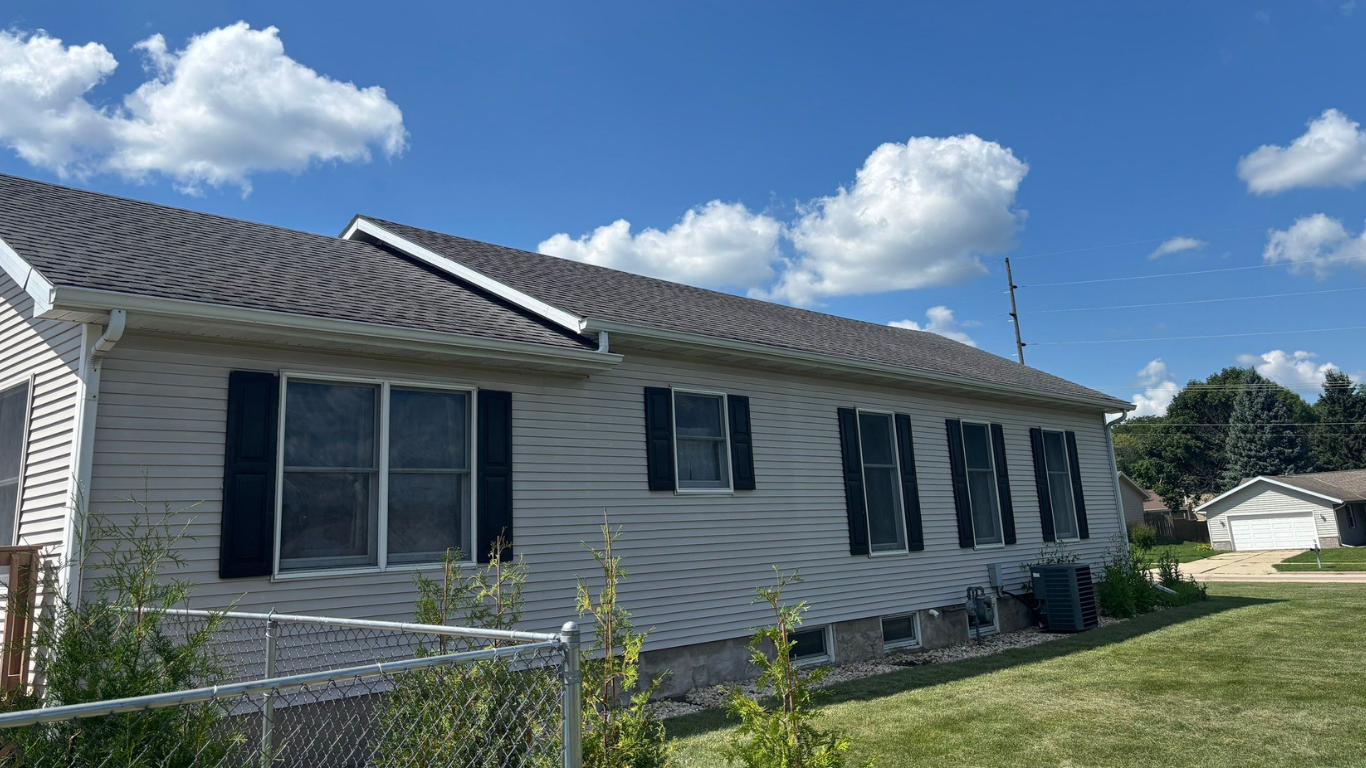
While energy efficiency is a critical factor, curb appeal shouldn’t be overlooked. Home buyers in Wisconsin often view Roof Color Wisconsin as an opportunity to enhance the overall look of their property. A well-chosen roof color can tie together exterior design elements, boost curb appeal, and increase resale value. Neutral colors like grays, browns, and blacks remain popular because they pair well with many siding and trim options. However, lighter shades like beige or even soft blues and greens are becoming more popular with modern designs.
When selecting a roof color, it’s important to balance aesthetics with performance. A color that looks great but makes your home unbearably hot in summer or contributes to higher bills may not be worth the trade-off. At Wilco Exteriors, we always encourage homeowners to consider how a roof will look alongside how it will perform in Wisconsin’s climate.
Roof Color Wisconsin: Practical Considerations for Home Buyers
If you’re in the market for a new home or preparing to replace your roof, here are some key considerations specific to Wisconsin:
- Local Climate Balance – Remember that Wisconsin experiences both hot summers and cold winters. Aim for a color that works reasonably well in both conditions.
- Snow and Ice Management – Darker roofs may help snow melt faster, but they can also contribute to ice dam formation if insulation and ventilation aren’t adequate.
- Energy Bills – Lighter colors may save on summer cooling costs, while darker colors may provide minor winter benefits. Evaluate which season’s energy bills are more impactful for your household.
- Neighborhood Standards – Consider how your roof color fits within your neighborhood. Some communities may have guidelines or homeowner association restrictions.
- Long-Term Resale – A roof color that appeals to a broad audience may help when it’s time to sell your home. Neutral tones tend to have wider buyer appeal.
Advanced Options: Cool Roof Technology
For Wisconsin homeowners who want the best of both worlds, cool roof technology provides a solution. Cool roofs use reflective materials and coatings that reduce heat absorption, even when using darker colors. This means you can choose a roof color that complements your home’s design without sacrificing performance in summer. While cool roof technology is more commonly discussed in hotter states, it is gaining traction in Wisconsin as homeowners look for ways to maximize energy efficiency year-round.
Metal roofing with reflective coatings is a great example. Even in a darker shade, a cool metal roof can reflect enough solar energy to keep summer cooling costs manageable. For homeowners concerned about Roof Color Wisconsin decisions, cool roof options expand the possibilities without forcing you to compromise between aesthetics and efficiency.
Maintenance and Longevity
Another angle to consider when choosing roof color is maintenance and longevity. Dark roofs may show fading more quickly than lighter ones, especially under constant sun exposure. Lighter roofs, however, may show dirt, algae, and debris more easily. Wisconsin’s mix of humid summers and snowy winters creates conditions where both fading and staining can occur. Investing in high-quality shingles with algae resistance and UV protection can help your roof maintain its color and appearance over time.
Final Thoughts on Roof Color Wisconsin
Choosing the right roof color in Wisconsin is more than just picking a shade that looks good. It’s about understanding how heat absorption and reflection will impact your comfort, energy bills, and the longevity of your roof. With Wisconsin’s unique climate, there is no one-size-fits-all answer. Some homeowners may prioritize cooler summers with a lighter roof, while others may value the minor winter heat gain of a darker roof.
At Wilco Exteriors, we believe that an informed decision is the best decision. By weighing climate, efficiency, aesthetics, and resale value, you can choose a roof color that not only enhances your home’s appearance but also performs well in Wisconsin’s challenging weather. If you’re buying a home or planning a roof replacement, consider both the science and the style behind Roof Color Wisconsin. With the right choice, you’ll enjoy a home that looks beautiful, stays comfortable, and saves money for years to come.