
When homeowners in Wisconsin think about comfort, they often focus on insulation, windows, or heating and cooling systems. But there’s one crucial element that often gets overlooked — roof ventilation. Proper airflow beneath your roofline can make the difference between a home that’s comfortable year-round and one that struggles with temperature swings, humidity, and costly repairs.
Understanding Roof Ventilation
Before diving into how roof ventilation impacts home comfort, it’s important to understand what it is and how it works. Roof ventilation is the system of intake and exhaust vents that allow air to circulate through your attic space. The goal is to let warm, moist air escape while drawing in cooler, drier air from outside.
A well-designed ventilation system has two primary components:
- Intake vents – Typically installed under the eaves or soffits, these bring in fresh air.
- Exhaust vents – Located near the roof ridge or gables, these release hot or humid air.
Together, they create a continuous flow that keeps your attic and roof at a stable temperature — the key to maintaining roof ventilation comfort Wisconsin homeowners need in every season.
Why Roof Ventilation Matters in Wisconsin’s Climate
Wisconsin experiences extreme seasonal shifts — from humid summers to freezing, snowy winters. These conditions put your roof under stress. Without proper airflow, hot, humid air can become trapped in the attic, leading to mold, mildew, and structural decay. In winter, inadequate ventilation contributes to ice dams, which can damage shingles, gutters, and even your interior ceilings.
That’s why roof ventilation comfort Wisconsin homes require isn’t just about keeping cool — it’s about preserving your entire home’s health and efficiency.
Summer Impact
During summer, your attic can reach temperatures over 130°F. Without adequate ventilation, this heat radiates downward, increasing indoor temperatures and forcing your air conditioner to work harder. Proper ventilation helps release this heat, maintaining a more stable indoor climate.
Winter Impact
In winter, warm air from your living space rises and becomes trapped in the attic. When it meets the cold roof deck, condensation forms — the perfect environment for mold. Worse, the trapped heat melts snow on the roof, which refreezes along the eaves, creating ice dams. Adequate ventilation keeps the roof deck cooler, preventing these issues and maintaining consistent roof ventilation comfort Wisconsin homes depend on.
The Connection Between Roof Ventilation and Home Comfort
Comfort at home goes beyond temperature. It’s about consistent air quality, energy balance, and protection from humidity. Here’s how roof ventilation comfort Wisconsin homeowners notice translates into real-life benefits.
1. Stable Indoor Temperatures
When your attic stays cooler, your home’s living spaces don’t experience extreme heat fluctuations. Ventilation prevents hot air buildup, helping your HVAC system maintain a steady, comfortable temperature.
2. Improved Air Quality
Stagnant air leads to mold growth and musty odors. Proper airflow removes trapped humidity and pollutants, improving the air quality throughout your home — a major factor in roof ventilation comfort Wisconsin families value, especially during muggy months.
3. Reduced Energy Costs
Better ventilation means your air conditioner and furnace don’t work as hard. With energy prices rising, efficient attic airflow is one of the simplest ways to reduce utility bills while boosting year-round comfort.
4. Longer Roof Lifespan
Trapped heat and moisture can prematurely age shingles, warp decking, and damage insulation. Balanced ventilation protects these materials, ensuring your roof lasts longer — a long-term win for roof ventilation comfort Wisconsin homeowners.
Signs Your Roof Ventilation May Be Inadequate
Many Wisconsin homeowners don’t realize their ventilation system is failing until problems become visible. If you notice these signs, it may be time to call Wilco Exteriors for a professional inspection.
- Ice dams forming on the roof edge
- High energy bills during summer and winter
- Mold or mildew smells in the attic
- Uneven indoor temperatures
- Peeling paint or warped wood near the ceiling
- Rust or moisture stains on roofing nails
- Hot upper floors, even with the AC running
Each of these indicates poor airflow — a clear threat to roof ventilation comfort Wisconsin homeowners deserve.
How Proper Roof Ventilation Improves Energy Efficiency
One of the biggest advantages of improved roof ventilation is energy efficiency. When your attic stays within a reasonable temperature range, your HVAC system doesn’t have to compensate for the heat buildup or temperature imbalance.
Lower Cooling Costs
In summer, hot attic air radiates through your ceiling and insulation, making it harder to keep your home cool. Ventilation helps remove this trapped heat, reducing air conditioning use by up to 15–20%. That’s a direct boost to roof ventilation comfort Wisconsin homes benefit from.
Reduced Heating Load in Winter
Balanced airflow helps prevent the formation of cold spots and moisture buildup, both of which can force your heating system to run longer. By stabilizing attic temperature, your roof ventilation indirectly helps your furnace perform more efficiently.
Prolonged Insulation Performance
When moisture accumulates in your attic, it can reduce insulation effectiveness. Proper ventilation keeps insulation dry, preserving its R-value and maintaining consistent comfort levels.
The Role of Soffit and Ridge Vents in Roof Ventilation
To achieve optimal roof ventilation comfort Wisconsin homes need, it’s not enough to have a few vents. Placement and balance are key.
Soffit Vents (Intake)
Installed under the eaves, soffit vents draw cool air into the attic. These vents are essential for maintaining consistent airflow. If they’re blocked by insulation or debris, the entire ventilation system becomes ineffective.
Ridge Vents (Exhaust)
Ridge vents run along the roof’s peak, allowing hot, moist air to escape. They’re often paired with soffit vents to create a balanced system — drawing in cool air below and pushing warm air out above.
Together, these components form the foundation of roof ventilation comfort Wisconsin homeowners rely on for a healthy, efficient home.
Attic Insulation and Ventilation: The Perfect Pair
Ventilation and insulation go hand in hand. While insulation keeps heat where it belongs, ventilation ensures it doesn’t get trapped. Poor ventilation can make even the best insulation underperform.
A balanced attic system with adequate ventilation prevents ice dams, keeps indoor air fresher, and extends the life of insulation materials. This synergy is the secret behind maintaining roof ventilation comfort Wisconsin homeowners seek all year.
Professional Roof Ventilation Assessment
Determining whether your ventilation system works properly isn’t always simple. That’s why it’s best to have professionals like Wilco Exteriors inspect your roof and attic. Our team looks for key factors:
- Airflow balance between intake and exhaust
- Signs of trapped moisture or heat
- Proper vent sizing and placement
- Blocked or damaged vents
A professional inspection ensures your home meets modern building standards and delivers the roof ventilation comfort Wisconsin homes should have.
Upgrading Your Roof Ventilation System
If your home was built decades ago, chances are your ventilation system may not meet current efficiency standards. Upgrading can significantly enhance home comfort and lower energy costs.
Common Ventilation Upgrades
- Installing continuous ridge vents for better airflow
- Adding soffit vents or unblocking existing ones
- Replacing outdated gable vents
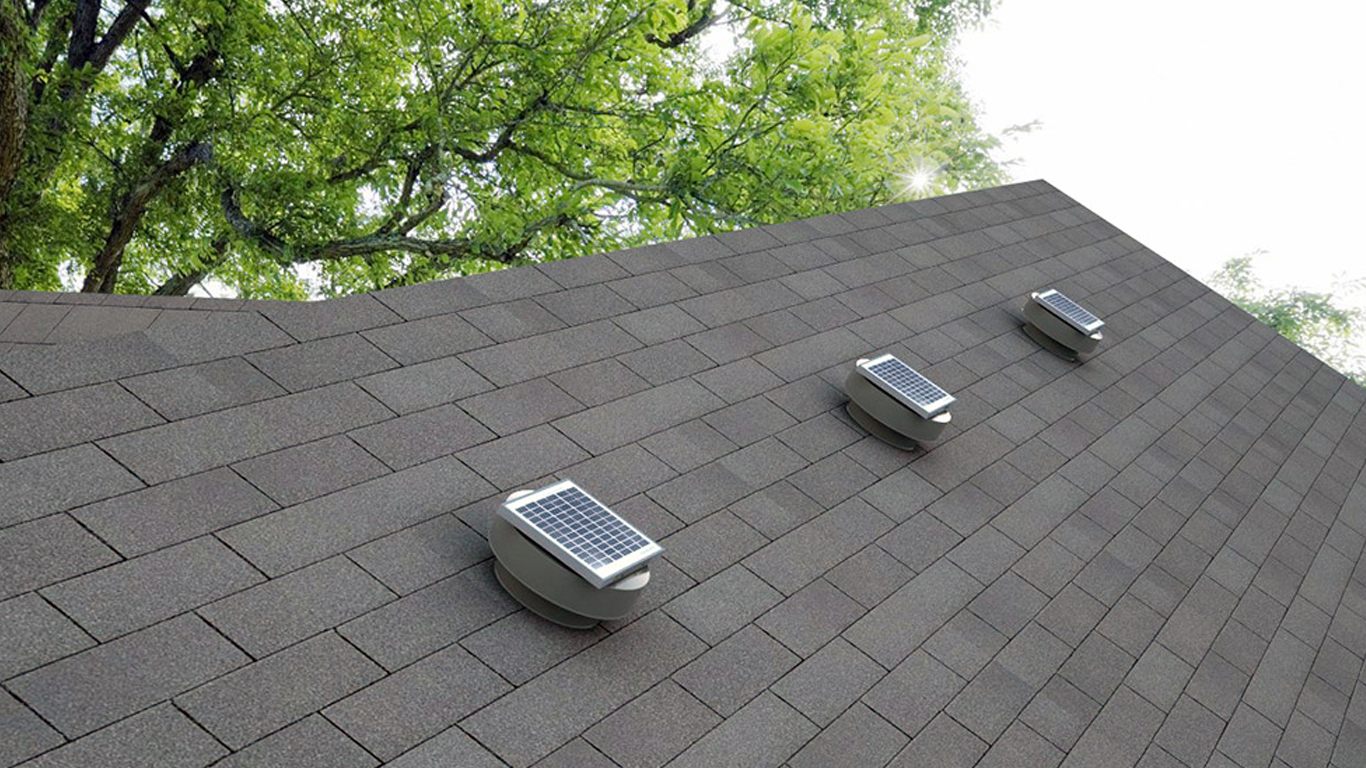
- Installing attic fans for extra airflow control
These improvements not only boost roof ventilation comfort Wisconsin families experience but also increase property value and reduce long-term maintenance costs.
Long-Term Benefits of Proper Roof Ventilation
When you invest in professional ventilation upgrades, you’re not just improving comfort — you’re protecting your entire home.
1. Prevents Roof Damage
Trapped moisture leads to rot, corrosion, and structural damage. Proper ventilation prevents these costly problems before they start.
2. Reduces Indoor Humidity
Wisconsin’s humid climate can make homes feel sticky and uncomfortable. Ventilation stabilizes humidity levels, improving overall comfort and air quality.
3. Extends Shingle Life
Shingles deteriorate faster under excessive heat. With balanced ventilation, roof temperature stays stable, ensuring longer-lasting protection.
4. Increases Energy Efficiency
Lower energy consumption means more savings — a result every homeowner can appreciate. That’s why roof ventilation comfort Wisconsin families count on is also a smart financial decision.
Roof Ventilation Maintenance Tips for Wisconsin Homeowners
Maintaining your ventilation system ensures long-term performance and comfort. Here are some practical tips from Wilco Exteriors:
- Inspect vents twice a year – Check for blockages, nests, or debris.
- Clean soffit vents regularly – Dust and insulation can clog them.
- Ensure attic insulation doesn’t block vents – Maintain at least 1–2 inches of clearance.
- Look for condensation – Water stains or mold signal poor airflow.
- Schedule professional roof inspections annually – Early detection prevents major issues.
Proactive care keeps your system effective and ensures your roof ventilation comfort Wisconsin home stays reliable for years.
When to Call Wilco Exteriors
If you’re noticing high energy bills, uncomfortable temperature swings, or musty attic odors, it’s time to call the experts. Wilco Exteriors specializes in ventilation assessment, roof upgrades, and insulation solutions designed for Wisconsin’s climate.
Our team provides:
- Free ventilation inspections
- Detailed airflow assessments
- Professional recommendations tailored to your roof design
- Expert installation using quality materials
We understand roof ventilation comfort Wisconsin homeowners need — and we’re here to deliver it with craftsmanship, precision, and care.
Frequently Asked Questions About Roof Ventilation Comfort in Wisconsin
1. What is roof ventilation, and why is it important for Wisconsin homes?
Roof ventilation circulates attic air to prevent heat and moisture buildup. Proper ventilation protects Wisconsin roofs from seasonal damage and ensures year-round comfort.
2. How does proper roof ventilation improve indoor comfort?
Balanced airflow keeps indoor temperatures stable and reduces humidity. Wisconsin homeowners enjoy healthier air quality and lower energy bills with proper ventilation.
3. What are the signs that my roof ventilation is inadequate?
Ice dams, uneven temperatures, and attic mold signal poor airflow. Homeowners in Wisconsin should address these signs promptly to avoid roof and HVAC damage.
4. Can roof ventilation affect my energy bills?
Yes, proper ventilation reduces the load on heating and cooling systems. Wisconsin homes with efficient attic airflow see lower energy costs year-round.
5. How often should I inspect or upgrade my roof ventilation in Wisconsin?
Inspect vents twice a year and schedule a professional assessment annually. Upgrading outdated or blocked vents keeps Wisconsin homes comfortable and energy-efficient.
Final Thoughts
Roof ventilation might not be the first thing homeowners think about when improving comfort, but it’s one of the most impactful. From reducing energy bills to extending your roof’s lifespan, the benefits are undeniable.
For homeowners seeking roof ventilation comfort Wisconsin homes can depend on through every season, the solution starts with proper airflow — and professional help from Wilco Exteriors.
Whether you’re building a new home, replacing an old roof, or simply improving attic conditions, investing in ventilation is one of the smartest choices you can make for long-term comfort and protection.
Contact Wilco Exteriors today to schedule your professional roof ventilation assessment.
Experience the difference of true roof ventilation comfort Wisconsin homeowners trust — built on quality, expertise, and year-round peace of mind.