
Soffit ventilation is one of the most critical yet overlooked aspects of a home’s roofing system. For homeowners in Wisconsin, where weather conditions range from icy winters to humid summers, maintaining balanced airflow in the attic is essential. Without proper ventilation, moisture and heat can accumulate, leading to mold growth, ice dams, structural damage, and high energy bills.
This comprehensive guide from Wilco Exteriors will explore why soffit ventilation Wisconsin homes rely on is so important, the problems caused by poor ventilation, how to identify issues, and how to make sure your home is protected year-round. Whether you’re buying your first home or updating your current one, understanding soffit ventilation is crucial to maintaining a safe, efficient, and long-lasting property.
Why Soffit Ventilation Matters in Wisconsin
Soffit vents are located under the eaves of your roof and are responsible for drawing fresh air into the attic. This airflow works in conjunction with roof vents to create a continuous circulation that regulates temperature and moisture. In soffit ventilation Wisconsin systems, this process is critical because:
- Cold winters increase the risk of condensation and ice dams.
- Hot summers create extreme attic temperatures that damage roofing materials.
- Year-round humidity accelerates mold and mildew growth.
- Snow accumulation can block improper vent systems.
Without adequate soffit ventilation, Wisconsin homeowners may face expensive repairs that could have been prevented.
1. Preventing Ice Dams in Winter
Ice dams form when warm air in the attic melts snow on the roof, which refreezes near the eaves. This cycle traps water under the shingles, leading to leaks and wood rot.
Proper soffit ventilation Wisconsin homeowners use pulls cold outside air into the attic, keeping the roof deck cool and reducing the chances of ice dam formation. This is especially important for homes with complex rooflines or low-pitch roofs, where snow tends to accumulate.
2. Reducing Attic Moisture and Mold Growth
Humidity in the attic often comes from everyday activities like cooking, showering, and laundry. If this moisture gets trapped, it creates an ideal environment for mold and mildew.
Effective soffit ventilation Wisconsin homes need allows moisture-laden air to escape through ridge or gable vents. Without this ventilation path, moisture settles into insulation, wood framing, and ceilings—eventually causing serious health and structural issues.
3. Enhancing Energy Efficiency
In summer, a poorly ventilated attic can reach temperatures exceeding 150°F. This trapped heat radiates into your living space, forcing your air conditioning system to work harder.
Installing or improving soffit ventilation Wisconsin residents can trust helps maintain moderate attic temperatures. This reduces cooling costs and extends the lifespan of your HVAC system.
4. Protecting Roofing Materials
Shingles, underlayment, and sheathing all suffer from excessive heat and moisture. Warped sheathing and curled shingles are common signs of poor attic airflow.
By implementing balanced soffit ventilation Wisconsin roofing experts recommend, you help protect your investment in your roof, preventing premature wear and ensuring full warranty coverage.
5. Meeting Building Code Requirements
Many municipalities in Wisconsin now require specific attic ventilation ratios (such as 1 square foot of ventilation per 150 square feet of attic space).
Modern soffit ventilation Wisconsin homes feature is designed to meet or exceed these building codes, ensuring compliance and improving resale value.
6. Extending the Life of Your Insulation
Moisture in the attic can compress and damage insulation. Wet insulation loses its R-value, meaning it no longer performs effectively.
With proper soffit ventilation Wisconsin climates demand, you preserve insulation performance and maintain energy efficiency for years.
How to Know If You Have a Ventilation Problem
You might not see your soffit vents every day, but the signs of poor ventilation are easy to identify. Look out for:
- Mold or mildew in the attic
- Ice dams forming during winter
- High heating and cooling bills
- Roof shingles that are curling or blistering
- Rust on nails or metal fixtures in the attic
- Hot and stuffy upper rooms in summer
These symptoms often indicate that your soffit ventilation Wisconsin system isn’t working as intended.
Types of Soffit Vents for Wisconsin Homes
There are several types of soffit vents available, and choosing the right one depends on your roof structure and ventilation needs:
- Continuous Soffit Vents: Installed along the entire eave for uniform airflow.
- Individual Soffit Vents: Smaller vents spaced at intervals; ideal for retrofits.
- Vent Panels: Integrated into vinyl or aluminum soffit systems.
For most soffit ventilation Wisconsin installations, continuous vents offer the best balance of performance and appearance.
Proper Installation is Key
Even the best soffit vents won’t perform well if they’re blocked or installed incorrectly. Common problems include:
- Insulation blocking the airflow path
- Paint or caulk sealing vent openings
- Misalignment with upper exhaust vents
Wilco Exteriors ensures every soffit ventilation Wisconsin project includes:
- Clear airflow from soffit to ridge
- Proper baffles to prevent insulation obstruction
- Matching vent types to your roof’s exhaust system
Combining Intake and Exhaust for Balanced Ventilation
Ventilation only works if intake and exhaust are balanced. Soffit vents (intake) must work together with:
- Ridge Vents: Installed at the roof’s peak for natural upward airflow.
- Box Vents or Turtle Vents: Passive vents placed near the ridge.
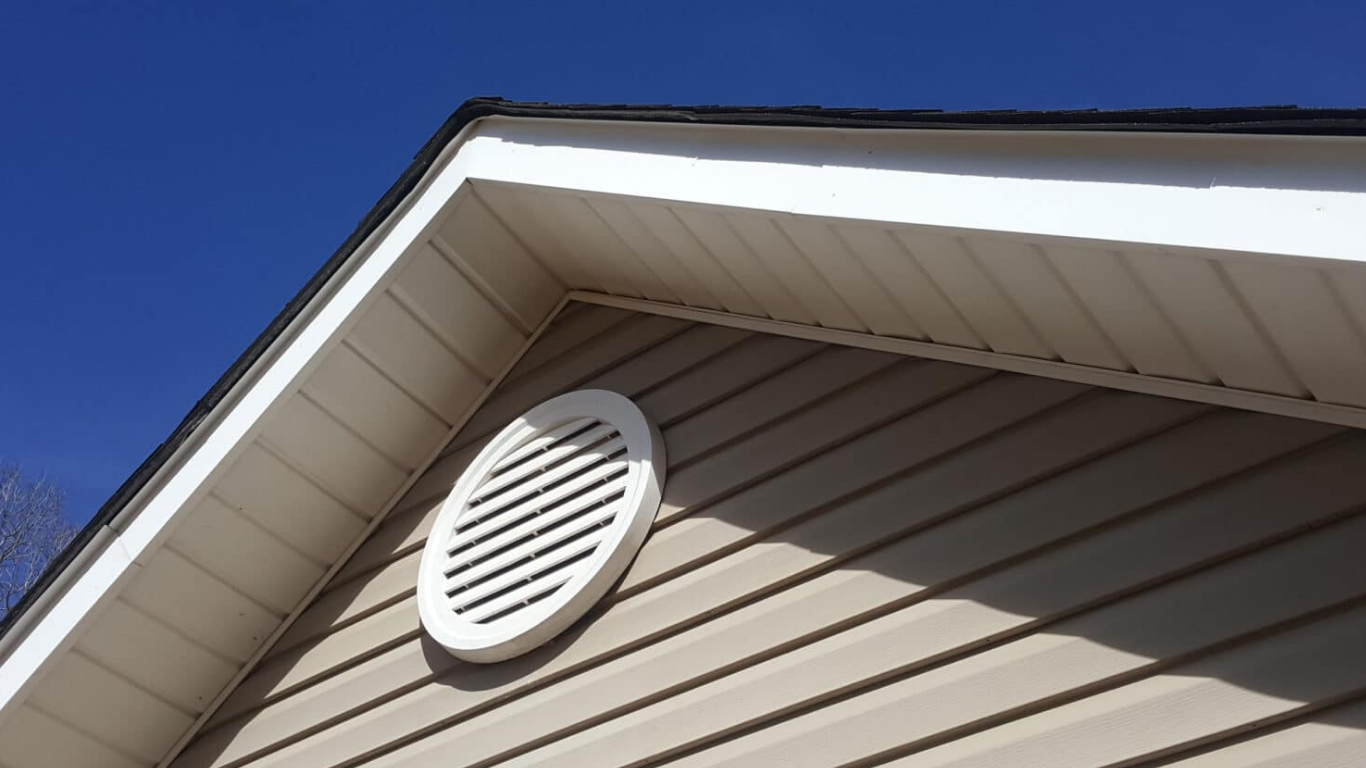
- Gable Vents: Found in attic end walls; often used as supplemental exhaust.
Our team assesses your attic’s layout and recommends the best combination to achieve the optimal soffit ventilation Wisconsin homes require.
Seasonal Considerations for Wisconsin Homeowners
Wisconsin’s changing seasons put soffit systems to the test. Here’s what you should know:
- Spring: Inspect for winter blockages, clear debris from vents.
- Summer: Ensure attic temps stay moderate; watch for heat damage.
- Fall: Remove leaves or pests nesting near soffits.
- Winter: Monitor for ice dams and frost buildup.
Keeping an eye on your system during each season ensures your soffit ventilation Wisconsin setup continues working year-round.
When to Upgrade or Replace Your Soffit Ventilation
Consider upgrading your soffit system if:
- Your home is 20+ years old
- You’ve had recurring attic moisture or ice dams
- You’re replacing your roof
- You’re improving insulation or air sealing
An upgraded soffit ventilation Wisconsin system can be installed alongside roof replacement or as a stand-alone project for existing homes.
Why Home Buyers Should Prioritize Soffit Ventilation
If you’re shopping for a home in Wisconsin, ask about attic ventilation. An older home without adequate soffit ventilation Wisconsin standards require may be prone to hidden moisture damage.
Home inspections should include a roof and attic assessment. Wilco Exteriors offers pre-sale consultations to help buyers understand the condition of their soffit and roof systems.
Choosing Wilco Exteriors for Soffit Ventilation in Wisconsin
Here’s why homeowners trust us:
- Decades of experience with Wisconsin roof systems
- Detailed attic and soffit assessments
- Code-compliant installations
- Affordable, high-performance ventilation upgrades
We focus on solutions that protect your home, reduce energy use, and prevent problems before they start. Our work is backed by labor warranties and ongoing support.
Don’t Wait for Damage to Appear
Poor ventilation often causes damage long before the signs become visible. Addressing soffit ventilation Wisconsin homes need is one of the smartest investments you can make.
Contact Wilco Exteriors today to schedule an attic and soffit inspection. We’ll help you determine if your home is properly ventilated and recommend cost-effective improvements tailored to Wisconsin weather.
Wilco Exteriors – Keeping Your Home Protected From Top to Bottom.