
When Wisconsin homeowners think about energy efficiency, their minds often jump to insulation, windows, or HVAC systems. While these features are critical, there are other unsung heroes in home performance: soffits and fascia. These architectural components may seem minor, but they play a massive role in regulating airflow, preventing energy loss, and protecting your home from Wisconsin’s extreme climate.
At Wilco Exteriors, we believe that home buyers and homeowners alike should understand how these exterior details affect comfort, safety, and long-term costs. This article explains everything you need to know about soffits fascia efficiency Wisconsin—from how they work, why they matter, and what benefits they bring to your investment in a Wisconsin home.
What Are Soffits and Fascia?
Before diving into energy efficiency, let’s clarify what soffits and fascia are.
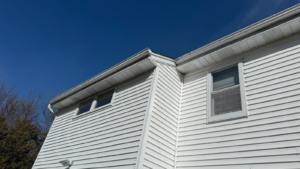
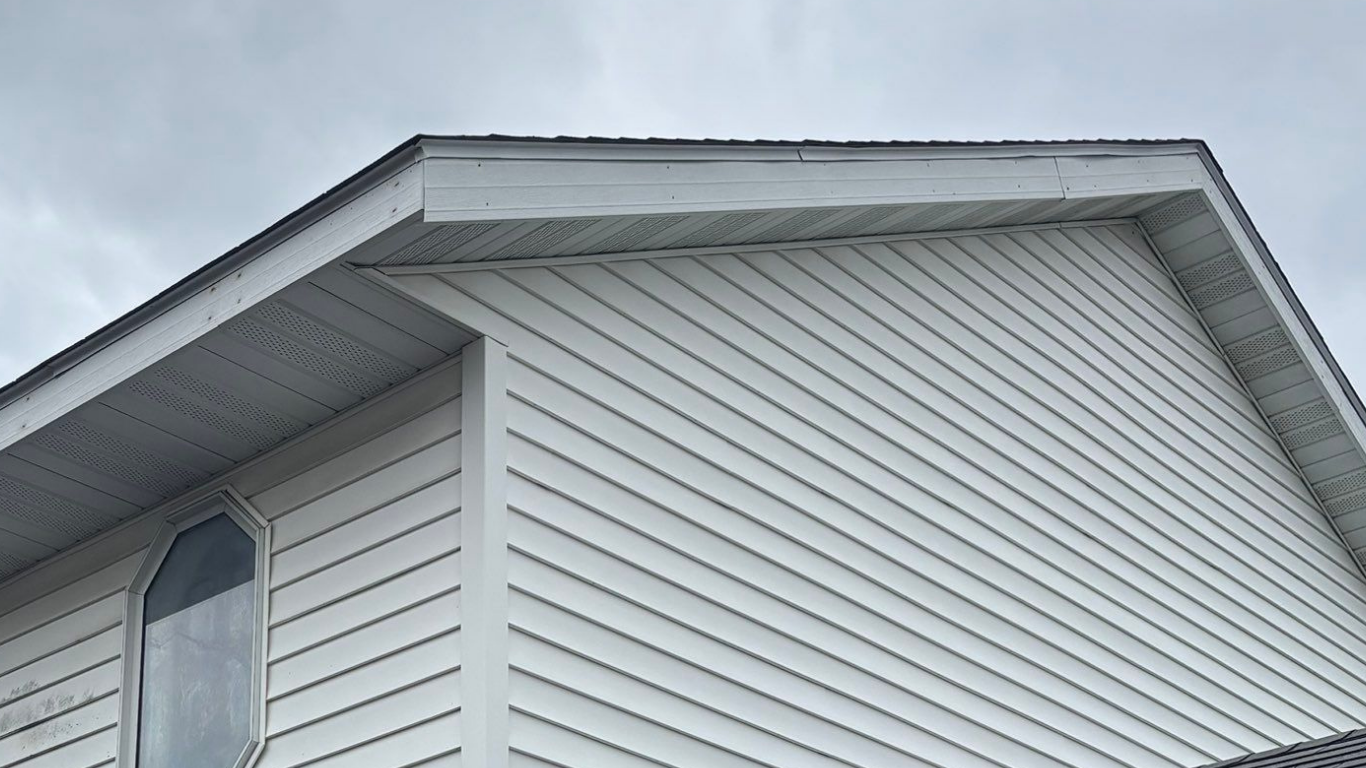
- Soffits are the undersides of your roof’s overhangs. They bridge the gap between your home’s siding and the roofline, often featuring small perforations for ventilation.
- Fascia is the vertical finishing edge attached directly to the roof’s lower ends, typically where gutters are mounted.
Together, soffits and fascia create a continuous system that protects your home’s roofline while regulating airflow between your attic and the outside.
Understanding soffits fascia efficiency Wisconsin starts with recognizing that these features aren’t just decorative—they directly impact temperature balance, moisture control, and your energy bills.
Wisconsin’s Climate Challenges
Wisconsin’s four-season climate creates unique challenges for homeowners. Winters bring frigid temperatures, ice dams, and heavy snow. Summers can be hot and humid, with storms rolling in across the state. Each of these seasonal extremes tests your home’s ability to maintain comfort and efficiency.
Without properly functioning soffits and fascia, Wisconsin homes face:
- Heat Loss in Winter: Poor attic ventilation traps warm air, leading to ice dams that damage roofing and increase heating costs.
- Excess Heat in Summer: Stagnant air in attics drives up cooling needs.
- Moisture Problems: Lack of ventilation encourages condensation, mold, and wood rot.
- Structural Stress: Gutters attached to weak fascia boards can sag or fail under heavy snow loads.
This is why focusing on soffits fascia efficiency Wisconsin is so important for energy-conscious buyers and homeowners.
The Role of Soffits in Energy Efficiency
Soffits may be hidden under your roof overhang, but they serve a powerful function: regulating airflow.
Ventilation and Temperature Control
Soffits, especially vented designs, pull in fresh air from outside and circulate it through the attic. This constant airflow prevents heat buildup in the summer and reduces condensation in the winter.
When properly installed, soffits fascia efficiency Wisconsin ensures that your attic maintains a stable temperature, protecting insulation performance and keeping energy costs under control.
Protection Against Ice Dams
In Wisconsin winters, ice dams form when warm attic air melts roof snow, which then refreezes at the eaves. Adequate soffit ventilation keeps attic temperatures balanced with outdoor air, reducing the risk of costly ice damming.
Moisture Management
By promoting airflow, soffits also reduce moisture accumulation. Without them, Wisconsin homes could face mold growth, damaged insulation, and higher repair bills.
The Role of Fascia in Energy Efficiency
While soffits focus on airflow, fascia boards serve as both a barrier and support system.
Gutter Support and Water Management
Fascia boards hold gutters firmly in place. In Wisconsin, where heavy rain and melting snow are common, reliable gutters are essential. Strong fascia ensures water drains away from your foundation instead of seeping into your home, preserving insulation and structural integrity.
Seal Against Drafts
Fascia creates a tight seal along the roofline, preventing unwanted air leaks. This plays a direct role in soffits fascia efficiency Wisconsin, keeping conditioned air inside and unconditioned air outside.
Aesthetic and Property Value
Although not strictly an efficiency feature, fascia enhances curb appeal. Buyers shopping for Wisconsin homes notice strong, clean rooflines. A well-maintained fascia system signals energy-conscious upkeep.
How Soffits and Fascia Work Together
Think of soffits and fascia as teammates. The soffit regulates airflow into the attic, while the fascia provides the finishing edge that seals, supports, and protects. Together, they create a system that:
- Maintains balanced attic temperatures
- Protects insulation from moisture damage
- Supports gutters for effective drainage
- Prevents air leaks at the roofline
Without one, the other cannot perform optimally. This balance is the heart of soffits fascia efficiency Wisconsin.
Signs of Inefficient Soffits and Fascia
Home buyers in Wisconsin should look out for red flags that signal soffits and fascia are failing:
- Peeling paint or rotting wood along the roofline
- Ice dams forming in winter
- Mold growth in the attic
- Drafts near the ceiling
- Sagging or loose gutters
- Increased heating or cooling costs
Spotting these issues early allows homeowners to address inefficiencies before they escalate into costly repairs.
Materials Matter for Efficiency
When it comes to soffits fascia efficiency Wisconsin, materials make a significant difference.
- Vinyl: Low-maintenance, moisture-resistant, and cost-effective.
- Aluminum: Durable, lightweight, and resistant to rust.
- Wood: Traditional look, but requires upkeep to prevent rot.
- Composite: High-performance material with long lifespans.
Choosing the right soffit and fascia material for Wisconsin homes depends on balancing aesthetics, durability, and efficiency goals.
Installation Best Practices in Wisconsin
Proper installation is critical. At Wilco Exteriors, we follow best practices that maximize soffits fascia efficiency Wisconsin:
- Adequate Ventilation: Ensuring soffit vents provide enough airflow per attic square footage.
- Seamless Integration: Pairing soffits with ridge or gable vents for full ventilation cycles.
- Strong Fascia Boards: Using durable materials to support heavy gutters during Wisconsin snowstorms.
- Weatherproof Sealing: Preventing drafts, leaks, and moisture infiltration.
Professional installation ensures soffits and fascia work as intended to boost home energy performance.
Energy Efficiency Benefits for Wisconsin Homeowners
Investing in soffits and fascia pays off in multiple ways:
- Lower Energy Bills: Balanced attic ventilation reduces heating and cooling costs.
- Healthier Indoor Air: Prevents mold and allergens caused by moisture buildup.
- Extended Roof Lifespan: Reduces ice damming and structural stress.
- Improved Comfort: Stable temperatures mean fewer drafts and hot spots.
- Stronger Resale Value: Buyers recognize homes with energy-efficient features.
In short, soffits fascia efficiency Wisconsin translates into long-term savings and comfort.
Cost Considerations
Home buyers often wonder how much soffit and fascia upgrades will cost. In Wisconsin, expenses vary based on:
- Material choice
- Home size and roofline complexity
- Extent of replacement versus repair
On average, Wisconsin homeowners may spend $15–$30 per linear foot for professional soffit and fascia installation. While this may feel like an investment, the long-term energy savings and damage prevention often outweigh initial costs.
Soffits, Fascia, and Home Inspections
For Wisconsin home buyers, inspecting soffits and fascia should be part of due diligence. A home inspector will often evaluate these areas for:
- Ventilation adequacy
- Wood rot or deterioration
- Gutter stability
- Proper sealing along the roofline
Homes with well-maintained soffits and fascia already show signs of soffits fascia efficiency Wisconsin, providing peace of mind to new buyers.
Maintenance Tips for Wisconsin Homeowners
Even the best soffits and fascia require upkeep. Homeowners should:
- Clean Soffit Vents: Remove debris to maintain airflow.
- Inspect Fascia Boards: Look for rot, cracks, or pest damage.
- Check Gutters: Ensure gutters are secure and draining properly.
- Repaint or Seal: For wood fascia, maintain protective coatings.
- Seasonal Inspections: Check after harsh Wisconsin winters and storms.
With these steps, homeowners preserve the long-term benefits of soffits fascia efficiency Wisconsin.
Why Work With Wilco Exteriors?
At Wilco Exteriors, we know that soffits and fascia are more than exterior trim. They are critical components of a home’s energy system. Our team specializes in:
- Assessing existing soffit and fascia conditions
- Recommending the best materials for Wisconsin climates
- Installing systems that maximize ventilation and protection
- Ensuring every project meets building codes and efficiency goals
We bring years of local expertise, giving Wisconsin homeowners confidence that their homes are safe, efficient, and beautiful.
Final Thoughts
When it comes to energy efficiency, Wisconsin homeowners can’t overlook soffits and fascia. These components may seem like finishing touches, but they are vital to ventilation, temperature regulation, and long-term comfort.
From preventing ice dams in winter to reducing cooling costs in summer, the role of soffits fascia efficiency Wisconsin cannot be overstated. For home buyers, ensuring that these systems are well-designed and maintained provides both immediate comfort and future savings.
At Wilco Exteriors, we help Wisconsin families invest in their homes wisely. Whether you’re purchasing a new property or upgrading your current one, our expert soffit and fascia services ensure your home is as efficient, comfortable, and resilient as possible.