
You’ve found the perfect home in Wisconsin — a charming property with sturdy siding, a reliable roof, and the kind of curb appeal that makes you proud to pull into the driveway. But there’s one small feature that often goes unnoticed by homeowners and even first-time buyers: soffit ventilation.
At Wilco Exteriors, we’ve worked on countless Wisconsin homes where soffit ventilation was overlooked or improperly installed, leading to big problems later on. Proper soffit ventilation Wisconsin isn’t just a bonus feature — it’s essential to your home’s health, efficiency, and comfort.
If you’re buying a home or maintaining one, understanding how soffit ventilation works can save you thousands in repairs and energy costs. In this comprehensive guide, we’ll explain why soffit ventilation Wisconsin is so important, what can go wrong when it’s missing, and how to make sure your home breathes properly all year long.
What Is Soffit Ventilation?
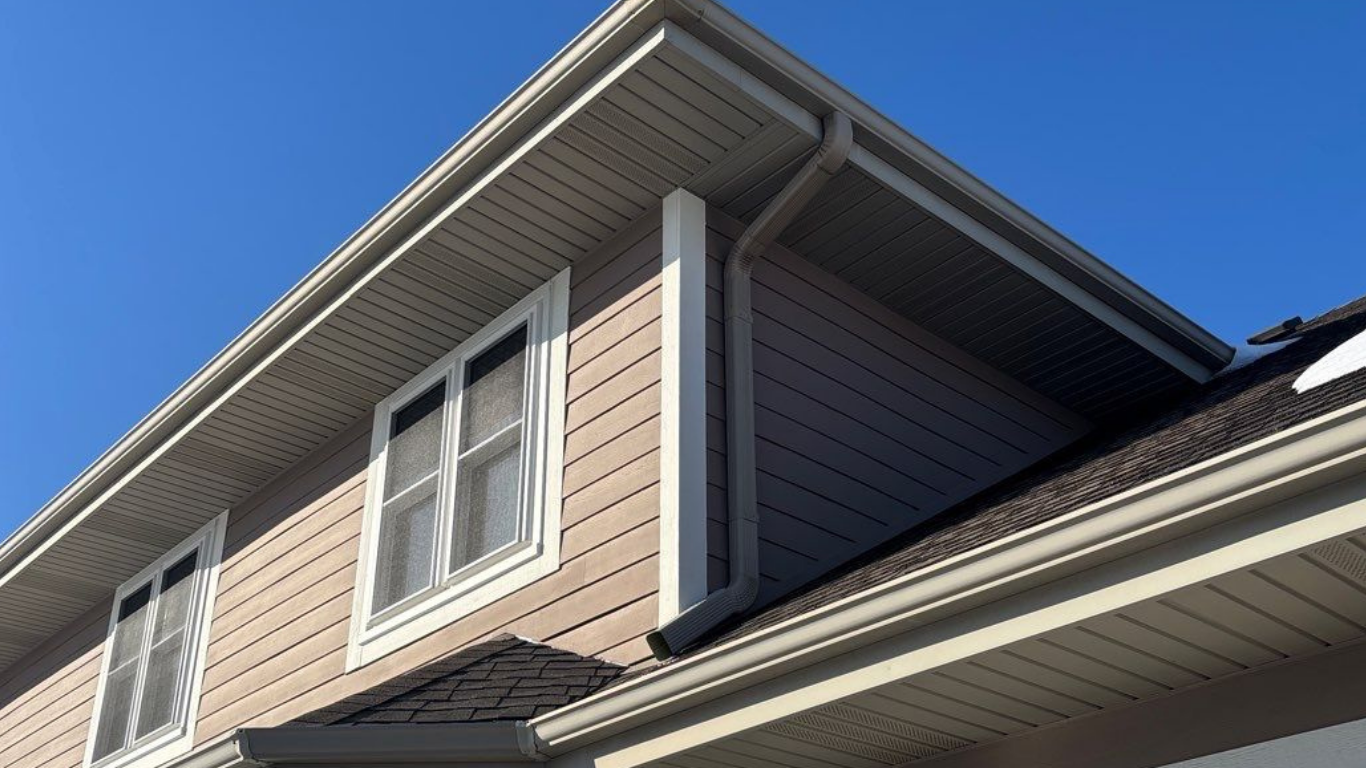
Let’s start with the basics. The soffit is the material forming the underside of your roof’s overhang, located between your home’s exterior wall and the edge of the roof. It’s a subtle part of your home’s design, often made of vinyl, aluminum, or wood.
Soffit ventilation refers to the small vents or perforations within those panels that allow fresh air to flow into your attic. When paired with ridge or gable vents, they create a balanced airflow system that keeps your attic dry, cool, and energy-efficient.
Proper soffit ventilation Wisconsin homes need is about balance — letting cool air enter through the soffits while warm, moist air escapes through vents higher on the roof.
Without this balance, problems start to build up fast.
Why Soffit Ventilation Matters in Wisconsin
Wisconsin’s climate is famously unpredictable — humid summers, freezing winters, and wide temperature swings in between. These seasonal changes make attic ventilation one of the most important elements of home design.
Proper soffit ventilation Wisconsin homes rely on serves several critical purposes:
- Prevents Moisture Damage: In winter, warm indoor air rises into the attic and meets cold roof surfaces. Without ventilation, condensation forms, leading to mold, mildew, and wood rot.
- Stops Ice Dams: When attic heat melts roof snow unevenly, it can refreeze at the eaves, creating damaging ice dams. Soffit ventilation helps regulate attic temperature and prevent this.
- Extends Roof Life: Excess heat buildup in summer can prematurely age shingles and roof decking.
- Improves Energy Efficiency: A well-ventilated attic reduces strain on HVAC systems, lowering your energy bills.
These combined benefits are why soffit ventilation Wisconsin standards are emphasized in modern home building codes and energy-efficiency programs.
How Poor Soffit Ventilation Affects Wisconsin Homes
Unfortunately, many Wisconsin homes — especially older ones — have poor or blocked soffit ventilation. Over time, paint, insulation, debris, or even pests can clog vents, cutting off airflow.
Here’s what happens when soffit ventilation Wisconsin systems fail:
1. Moisture Buildup and Mold Growth
Wisconsin’s long winters make homes vulnerable to condensation in attics. Without ventilation, that moisture has nowhere to go. Mold and mildew can grow on insulation, rafters, and roof decking, weakening the structure and creating health hazards.
2. Ice Dams and Roof Leaks
When warm attic air escapes to the roof in winter, it melts snow unevenly. The melted snow refreezes at the edges, forming ice dams. Water then backs up under shingles, causing leaks and interior damage — a major issue for homes without proper soffit ventilation Wisconsin.
3. Shortened Roof Lifespan
A poorly ventilated attic traps heat in the summer, which bakes shingles from underneath and accelerates deterioration. Investing in quality soffit ventilation Wisconsin homes require can easily add years to your roof’s lifespan.
4. Higher Energy Bills
When your attic overheats, your air conditioner has to work harder. When it’s too cold and damp, your heater compensates. In both cases, you’re paying more than necessary — a direct consequence of poor soffit ventilation Wisconsin airflow balance.
5. Structural Damage
Trapped moisture leads to rotted rafters, sagging roof decks, and deteriorating insulation. Over time, that structural stress becomes expensive to repair.
How to Know If Your Soffit Ventilation Is Working
The best way to assess your home’s ventilation is through inspection. Here’s what to look for:
- In Winter: Watch for ice dams or frost on attic surfaces — both are signs of poor airflow.
- In Summer: Feel for extreme heat or stuffiness in the attic.
- Year-Round: Look for condensation on rafters, musty smells, or visible mold.
Professional roofing contractors like Wilco Exteriors can evaluate your soffit ventilation Wisconsin system using thermal imaging and moisture detection tools, ensuring your attic environment stays healthy in every season.
The Science Behind Airflow Balance
To understand why soffit ventilation Wisconsin homes rely on is so effective, it helps to visualize how it works.
Cool, dry air enters through soffit vents at the eaves, while warm, humid air rises and exits through roof or ridge vents. This creates a natural circulation pattern that continuously exchanges stale attic air with fresh outdoor air.
When this cycle is disrupted — say, by blocked vents or poor installation — heat and moisture build up quickly. That’s why professionals stress the importance of equal intake (soffit) and exhaust (ridge or roof) ventilation. Too much of one and not enough of the other breaks the balance.
At Wilco Exteriors, we calculate this airflow ratio precisely during every roofing or attic upgrade we perform, ensuring your home gets the right amount of soffit ventilation Wisconsin weather demands.
Choosing the Right Soffit Materials for Wisconsin
Your soffit material plays a big role in ventilation effectiveness and durability. Wisconsin’s climate requires materials that resist moisture, insects, and temperature extremes.
Here are the most popular options:
- Vinyl Soffits: Affordable, low-maintenance, and resistant to rot. Perforated versions allow steady airflow — great for soffit ventilation Wisconsin homes.
- Aluminum Soffits: Durable and sleek, aluminum panels handle temperature swings well and can be customized for ventilation patterns.
- Fiber Cement Soffits: Heavier but very durable and moisture-resistant.
- Wood Soffits: Beautiful but high-maintenance; not ideal for Wisconsin’s moisture-prone climate unless treated and ventilated properly.
No matter which material you choose, the key is ensuring enough venting surface area and a proper connection to the attic’s ventilation system.
Professional Installation Matters
Even the best soffit panels won’t perform if they’re installed incorrectly. Misaligned vents, blocked openings, or improper sealing can negate the benefits entirely.
At Wilco Exteriors, we specialize in ventilation upgrades that are tailored to Wisconsin’s weather. Our technicians make sure your soffits are properly vented, unobstructed, and integrated with your roof’s ridge or gable venting.
A professional installation ensures your soffit ventilation Wisconsin system provides maximum efficiency, moisture control, and roof protection.
Common Soffit Ventilation Mistakes to Avoid
Many homeowners or inexperienced contractors make ventilation mistakes without realizing the long-term consequences. Here are the most common ones we encounter:
- Painting Over Vents – It may look cleaner, but it blocks airflow entirely.
- Insulation Blocking Soffit Openings – In the attic, insulation should never cover intake vents.
- Uneven Ventilation – Too many roof vents with too few soffit vents create imbalance.
- Neglecting Maintenance – Dirt, leaves, and nests can clog soffit vents over time.
Avoiding these mistakes keeps your soffit ventilation Wisconsin performing efficiently year-round.
Year-Round Maintenance Tips
Keeping soffit vents clear and functional requires minimal effort but offers major rewards. Follow these maintenance tips:
- Inspect vents twice a year — spring and fall.
- Remove debris or cobwebs with a soft brush or vacuum.
- Check attic insulation to ensure it’s not blocking vents.
- During winter, monitor for ice buildup along eaves.
- Schedule professional inspections every few years.
By making soffit maintenance part of your home care routine, you’ll protect your investment and sustain a healthy soffit ventilation Wisconsin system.
The Role of Soffit Ventilation in Energy Efficiency
Homeowners are often surprised by how much attic airflow impacts overall home efficiency. Inadequate ventilation traps heat, increasing cooling costs, and reduces insulation effectiveness in winter.
Proper soffit ventilation Wisconsin homes utilize ensures consistent attic temperatures, allowing your HVAC system to run more efficiently. That balance translates to lower utility bills and a more comfortable living environment.
According to ENERGY STAR, homeowners can save up to 15% on heating and cooling costs by improving attic ventilation and insulation together — making it one of the smartest upgrades for Wisconsin homes.
Why Home Buyers Should Check Soffit Ventilation Before Purchasing
If you’re in the process of buying a home, pay attention to the attic and roof eaves during inspection. Soffit ventilation issues are often invisible from the outside but can lead to costly repairs later.
Ask your home inspector or roofing professional these key questions:
- Are soffit vents present and unblocked?
- Does the attic show any signs of moisture or mold?
- Is there proper balance between intake and exhaust vents?
Identifying these factors early helps ensure your investment is protected — and that your new home’s soffit ventilation Wisconsin system is functioning as it should.
The Long-Term Value of Proper Ventilation
Installing or upgrading your soffit ventilation may not feel glamorous, but it’s one of the most cost-effective improvements you can make. A well-ventilated attic means:
- A longer-lasting roof.
- Reduced energy bills.
- Fewer moisture-related repairs.
- Better indoor air quality.
- Enhanced resale value.
These long-term advantages explain why so many Wisconsin homeowners choose Wilco Exteriors for attic and soffit ventilation upgrades.
Wilco Exteriors: Your Soffit Ventilation Experts
At Wilco Exteriors, we know Wisconsin homes inside and out. Our team understands how extreme weather affects your roof, attic, and overall home performance. That’s why we specialize in delivering customized soffit ventilation Wisconsin solutions designed to last.
We don’t take a one-size-fits-all approach. Instead, we evaluate your home’s structure, insulation, and existing airflow before designing a ventilation system that perfectly balances intake and exhaust.
Our work ensures your roof stays strong, your attic stays dry, and your home stays efficient — all year long.
Conclusion: Keep Your Wisconsin Home Breathing Right
Your soffits may seem small, but they play a massive role in keeping your home safe, comfortable, and efficient. Whether you’re a new home buyer or a longtime Wisconsin resident, it’s essential to make sure your home has the right balance of airflow through proper soffit ventilation Wisconsin systems.
From preventing ice dams to improving energy savings and roof longevity, the benefits of good ventilation are undeniable. And when it comes to installing, inspecting, or upgrading your system, trust the local experts who know Wisconsin homes best — Wilco Exteriors.
If you suspect your home might be suffering from poor airflow or hidden attic moisture, contact us today. We’ll help you evaluate your soffit ventilation Wisconsin system and ensure your home is ready to handle every season with strength and efficiency.